

Solar Energy for San Luis Gonzaga: Community Solar Kiosk in Baja California Sur
At Lifestyle Energy, we believe that renewable energy can do more than power homes and businesses. When applied with purpose, solar energy can become a tool for community development, cultural preservation, and a more just energy transition.
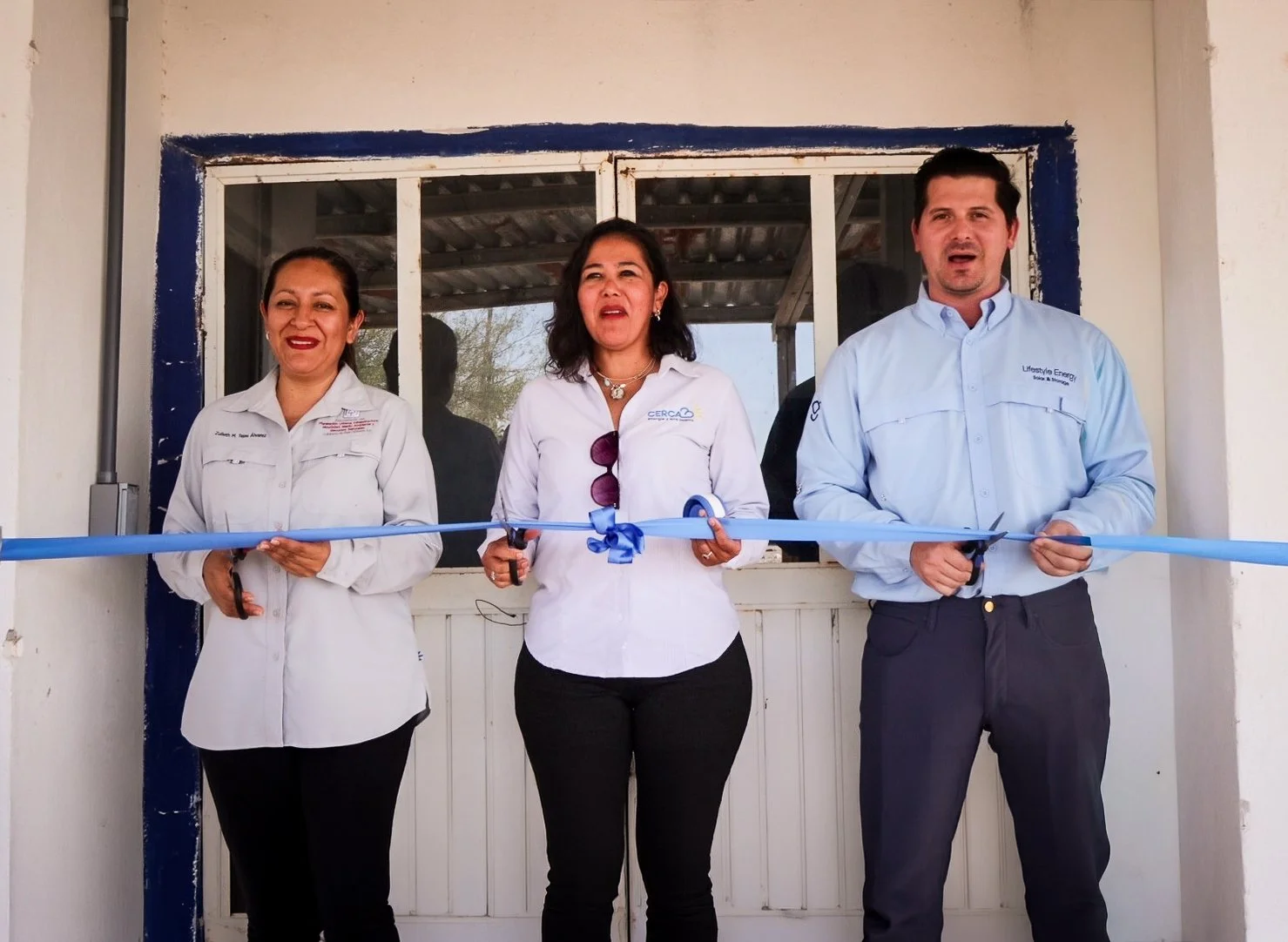
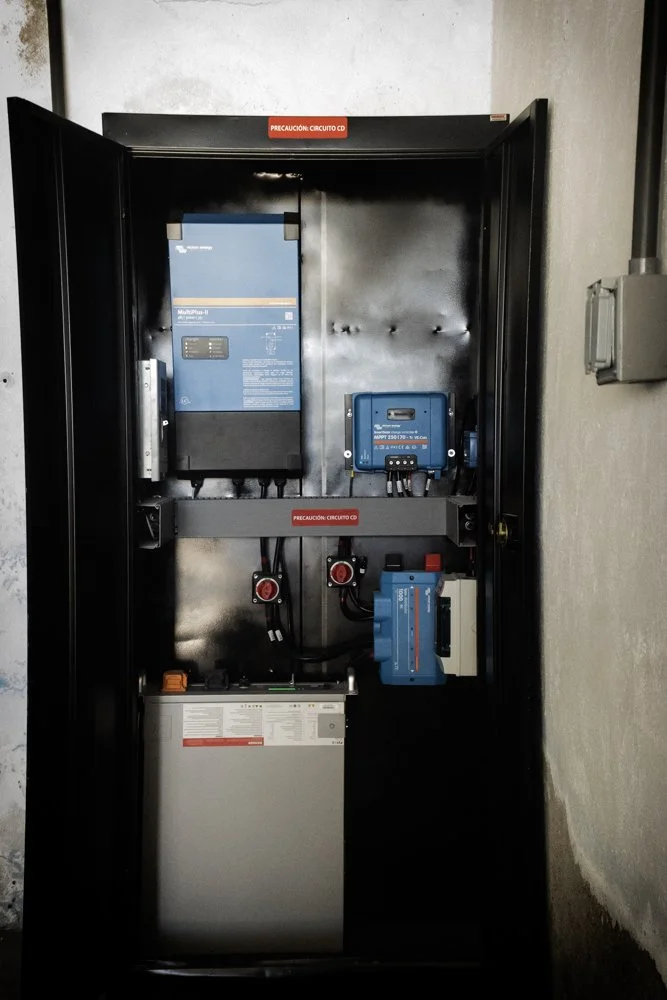
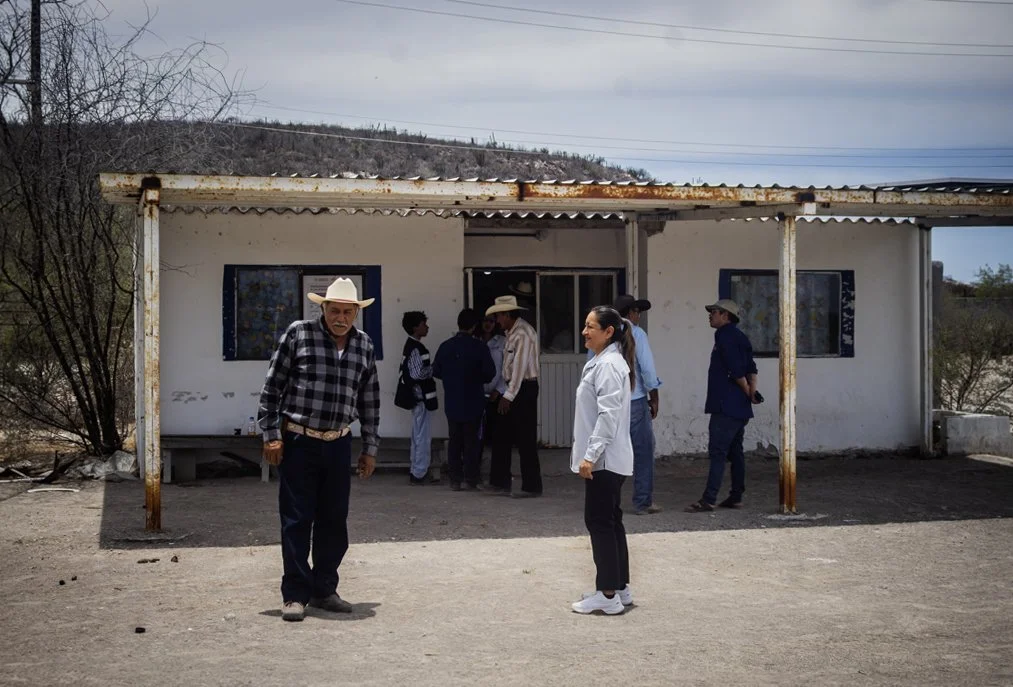
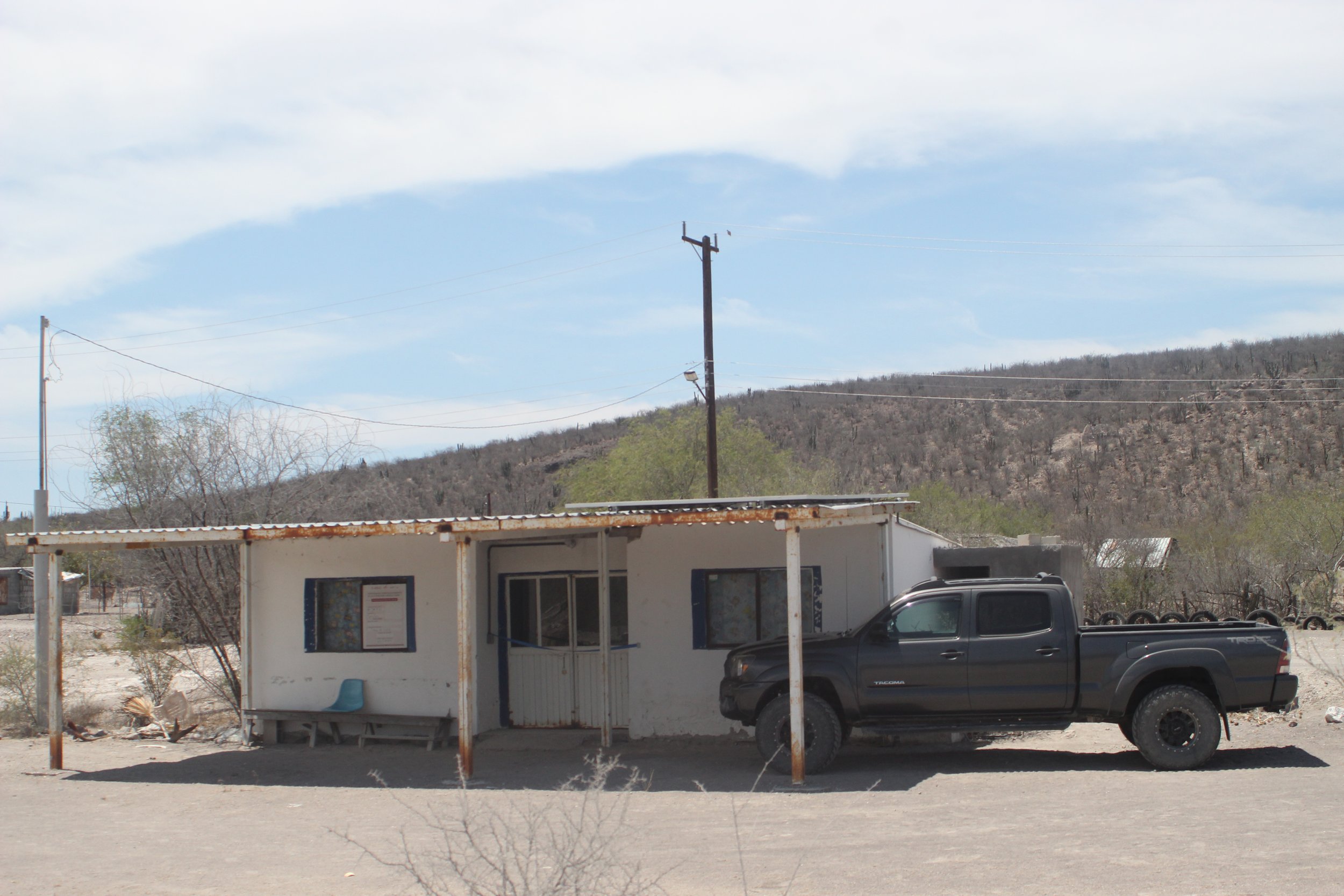
As part of the community solar kiosk initiative promoted by CERCA A.C., a new solar energy system was developed in the community of San Luis Gonzaga, Chiriyaqui, in Baja California Sur. This project was designed to bring clean, reliable energy to a remote community where access to electricity has historically been limited.
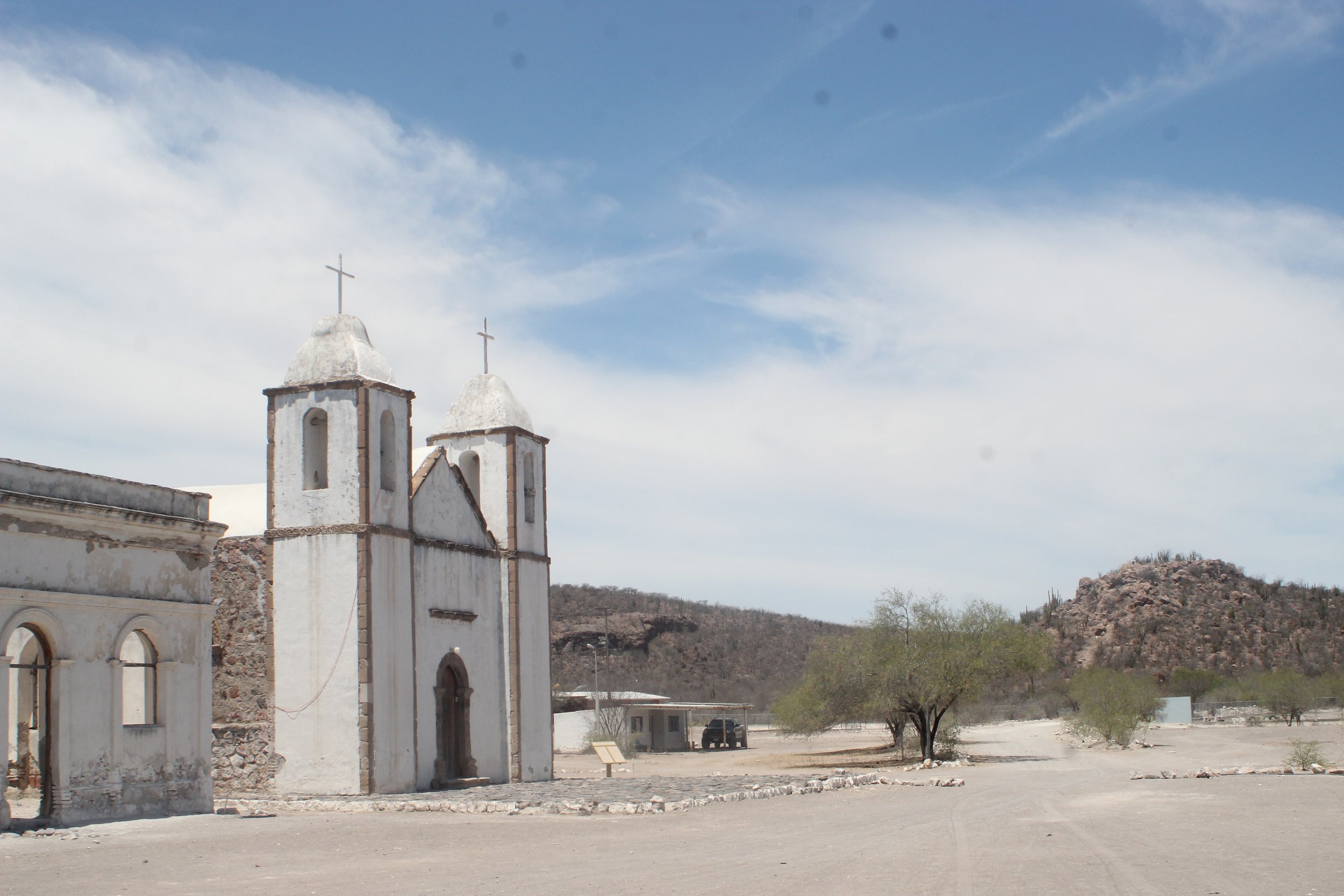
Through this initiative, solar energy now supports spaces that are meaningful for the community, including the Mission of San Luis Gonzaga and the Casa de Salud, a local space dedicated to community health, well-being, and access to basic services. Both places contribute to local identity, community life, and the overall well-being of San Luis Gonzaga.
A Step Toward Community Energy Transition
TThe community solar kiosks promoted by CERCA A.C. in Baja California Sur are part of an initiative focused on rural electrification, clean energy access, and social development.
These projects seek to bring basic energy services to communities located far from the electrical grid by using solar photovoltaic technology. More than simply installing solar panels, the goal is to create energy solutions that respond to the real needs of each community.
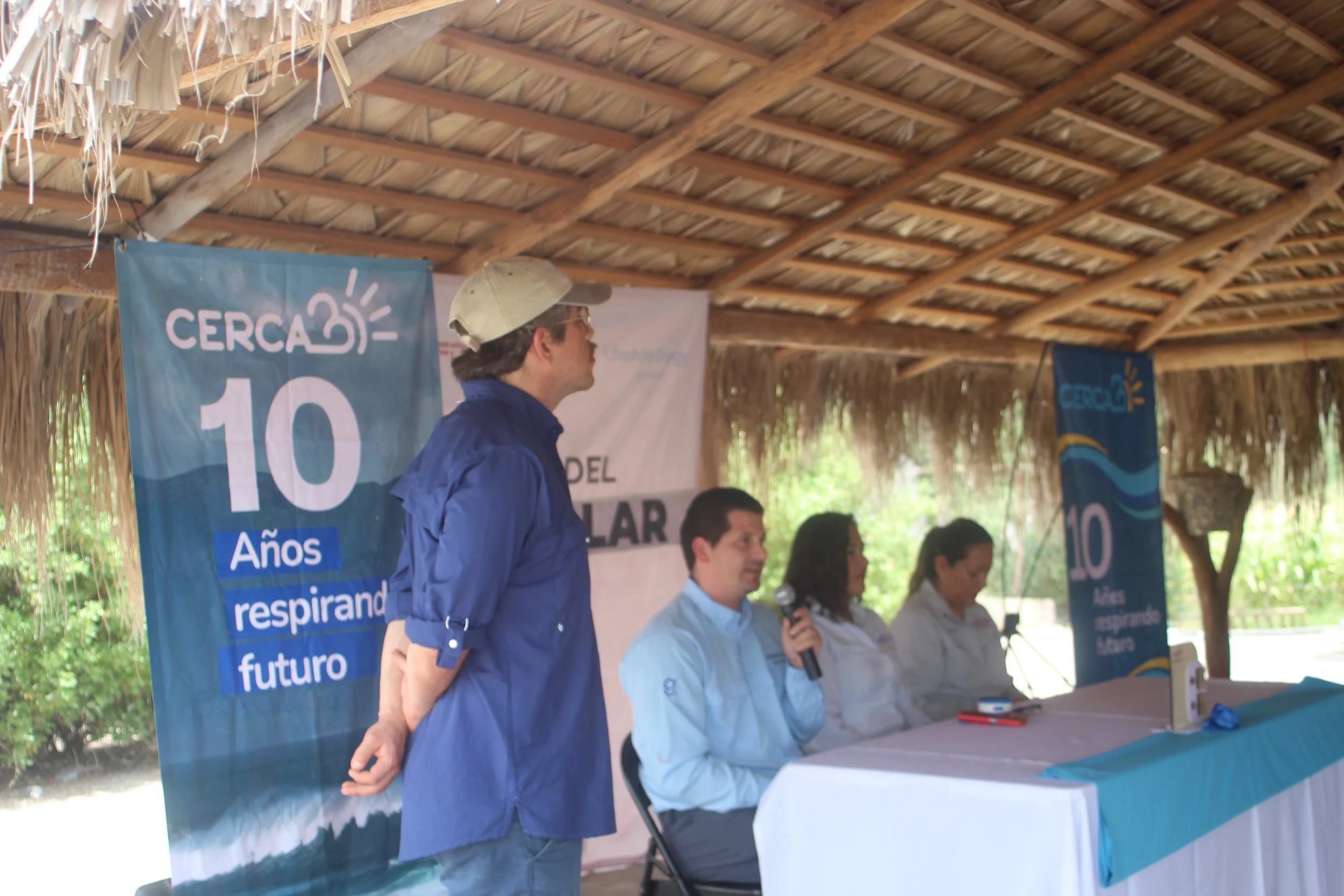
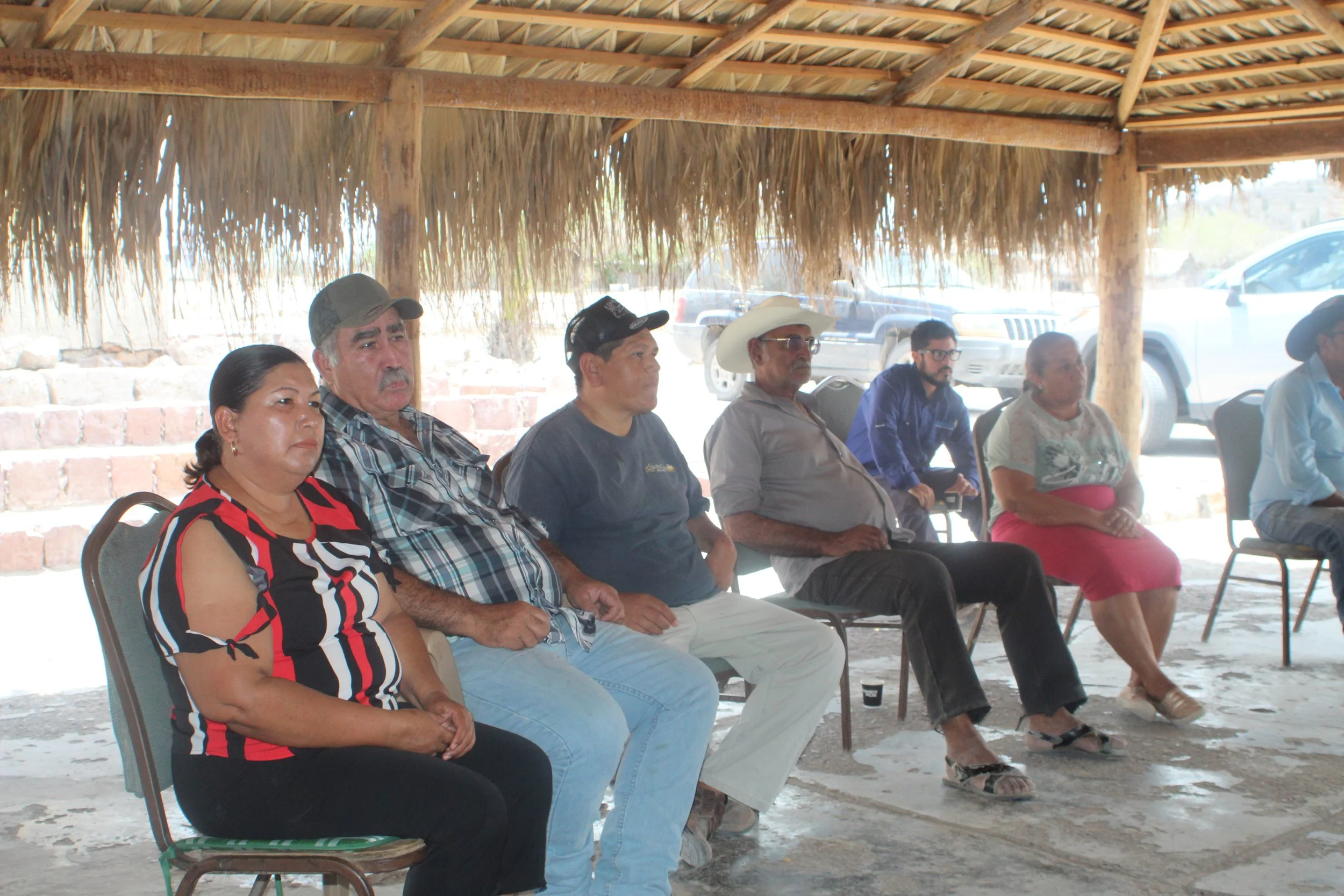
In San Luis Gonzaga, the project was developed through CERCA’s Social Energy model, an approach where the community participates in the decision-making process and collectively defines how solar energy can create the greatest impact.
This means that the energy is not only installed for the community, but also planned with the community.
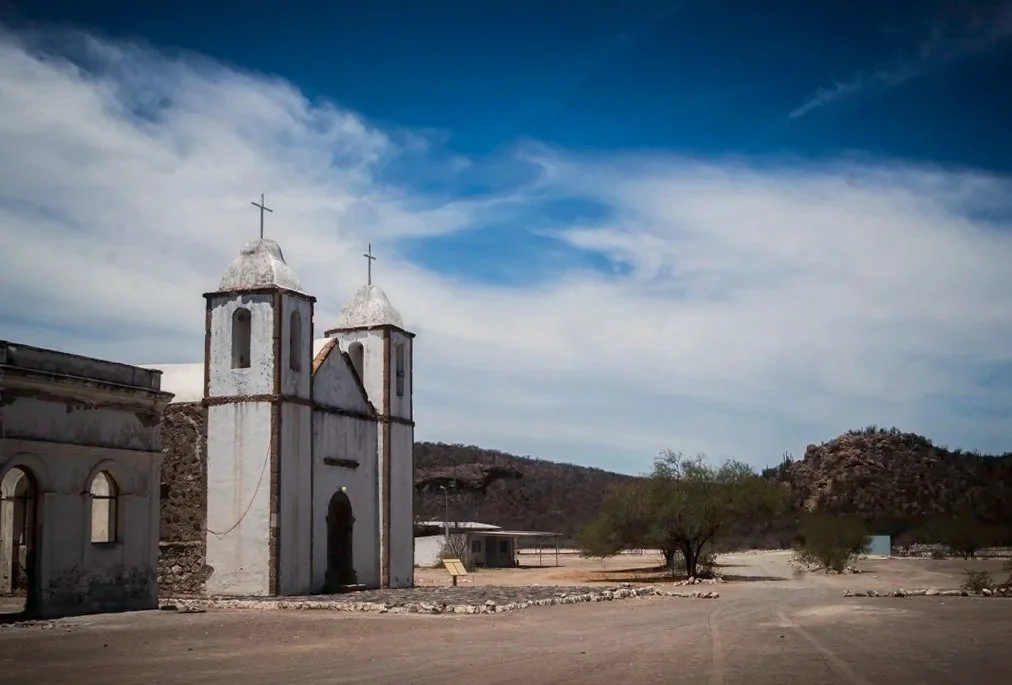
San Luis Gonzaga Mission of Chiriyaquí, B.C.S.
Solar Energy Designed Around Local Priorities
One of the most important aspects of this project is that the use of energy was defined through community participation.
For San Luis Gonzaga, the community identified key spaces where access to electricity could improve daily life, strengthen local services, and preserve cultural heritage.
The solar kiosk helps provide energy for:
The Mission of San Luis Gonzaga
Community, cultural, and religious activities
Lighting during the afternoon and evening
The Casa de Salud
Essential local services and shared community spaces
By bringing clean energy to these spaces, the project helps improve quality of life while reducing dependence on fossil fuels and unreliable energy sources.
Supporting Cultural Preservation and Community Well-Being
The Mission of San Luis Gonzaga is more than a historic building. It is part of the cultural identity of Baja California Sur and an important gathering place for the community.
With access to solar energy, the mission can better support cultural, religious, and community activities, especially during hours when natural light is limited. This helps preserve the value of the space and allows residents to continue using it as an important part of their local heritage.
The project also supports the Casa de Salud, a key community space connected to local well-being and access to basic services. In remote communities, having energy available in essential spaces can make a significant difference in how people organize, gather, and respond to local needs.
This is what makes the solar kiosk more than an energy system. It becomes infrastructure for social development.
Lifestyle Energy’s Participation
For Lifestyle Energy, participating in this type of project represents an opportunity to apply our experience in solar energy to initiatives with a direct and meaningful impact.
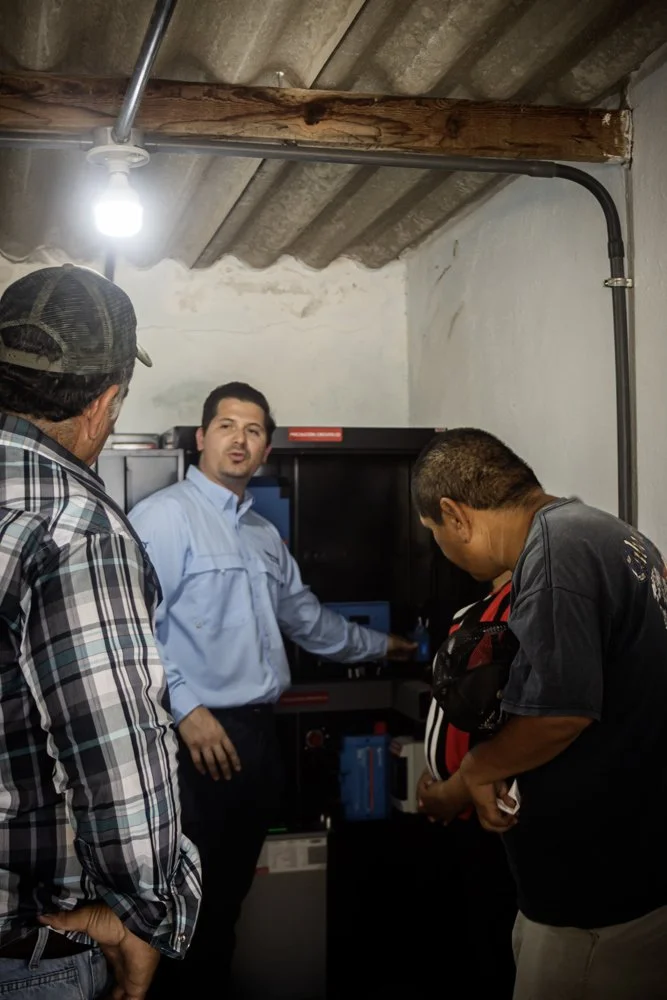
Our company contributed to the technical implementation of the solar kiosk, supporting a project designed to serve a community with limited access to reliable electricity.
In remote areas of Baja California Sur, solar energy is not only a sustainable solution. It is also a practical way to bring power to places where the electrical grid does not always reach or does not provide consistent service.
Projects like this reflect the importance of designing energy systems that are reliable, efficient, and aligned with the real conditions of each site.
More Than Solar Panels: A Tool for Social Development
The solar kiosk in San Luis Gonzaga shows how renewable energy can support much more than electricity generation.
Its impact goes beyond the technical installation. This project contributes to:
Clean energy access for a remote community
Electrification of important cultural and community spaces
Better conditions for local, cultural, and religious activities
Support for essential spaces such as the Casa de Salud
Reduced dependence on fossil fuels
Community participation in the use and management of energy
Preservation of the Mission of San Luis Gonzaga
By involving the community in the decision-making process, CERCA’s Social Energy model helps ensure that the system responds to real local priorities and remains connected to the people it serves.
A Model of Energy with a Vision for the Future
The solar kiosk in San Luis Gonzaga is a clear example of how clean energy can become a tool for a more inclusive and fair energy transition.
For communities located far from the grid, access to solar energy can improve daily life, strengthen essential services, and create new opportunities for long-term development.
At Lifestyle Energy, we are honored to participate in projects that demonstrate the value of renewable energy beyond homes and businesses. Every installation, regardless of its size, can become part of a larger purpose when it is designed to respond to real human needs.
Related Links
Learn more about the community energy model on CERCA’s website
Our Commitment
At Lifestyle Energy, we remain committed to driving the energy transition in Baja California Sur through reliable, responsible, and well-designed solar energy solutions.
From residential and commercial systems to community projects in remote areas, our mission is to provide clean energy solutions that create long-term value, improve quality of life, and support a more sustainable future for all.
